It seems to me that painting serves roughly three purposes: to make a living, to enter exhibitions, or to paint for oneself.
I, too, often submit my work to exhibitions, including national ones. Sometimes I am accepted; more often I am not. On the rare occasion I get in, I am of course delighted, but the joy never lasts long. Thinking of fellow painters who work just as earnestly yet were not accepted, I feel a touch of sadness.
My paintings have been bought, too. In the moment of a sale I feel thrilled and excited. But then I think of the many painters sitting among rooms full of unsold work that no one asks after, and I worry for them.
As for painting for myself: the moment a work is finished, I always feel content. Yet days later, or months later when I look again, I often find the painting worthless, and wish I could start it all over.
I have come to see that whether it is acceptance, a sale, or a moment's satisfaction with a painting, the happiness that results bring is always short-lived. If I place the meaning of painting in such outcomes, my heart will rise and fall with every gain and loss.
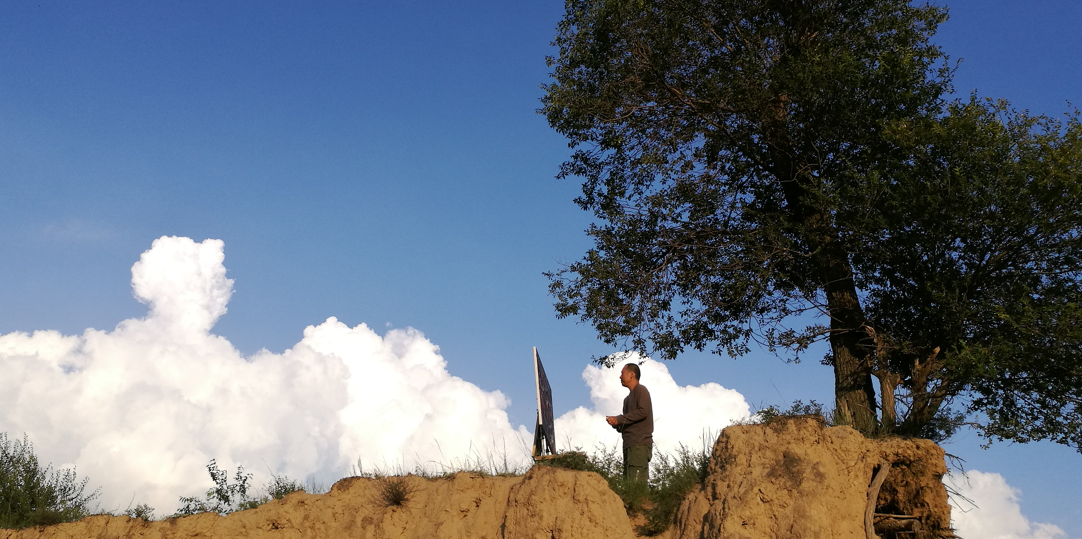
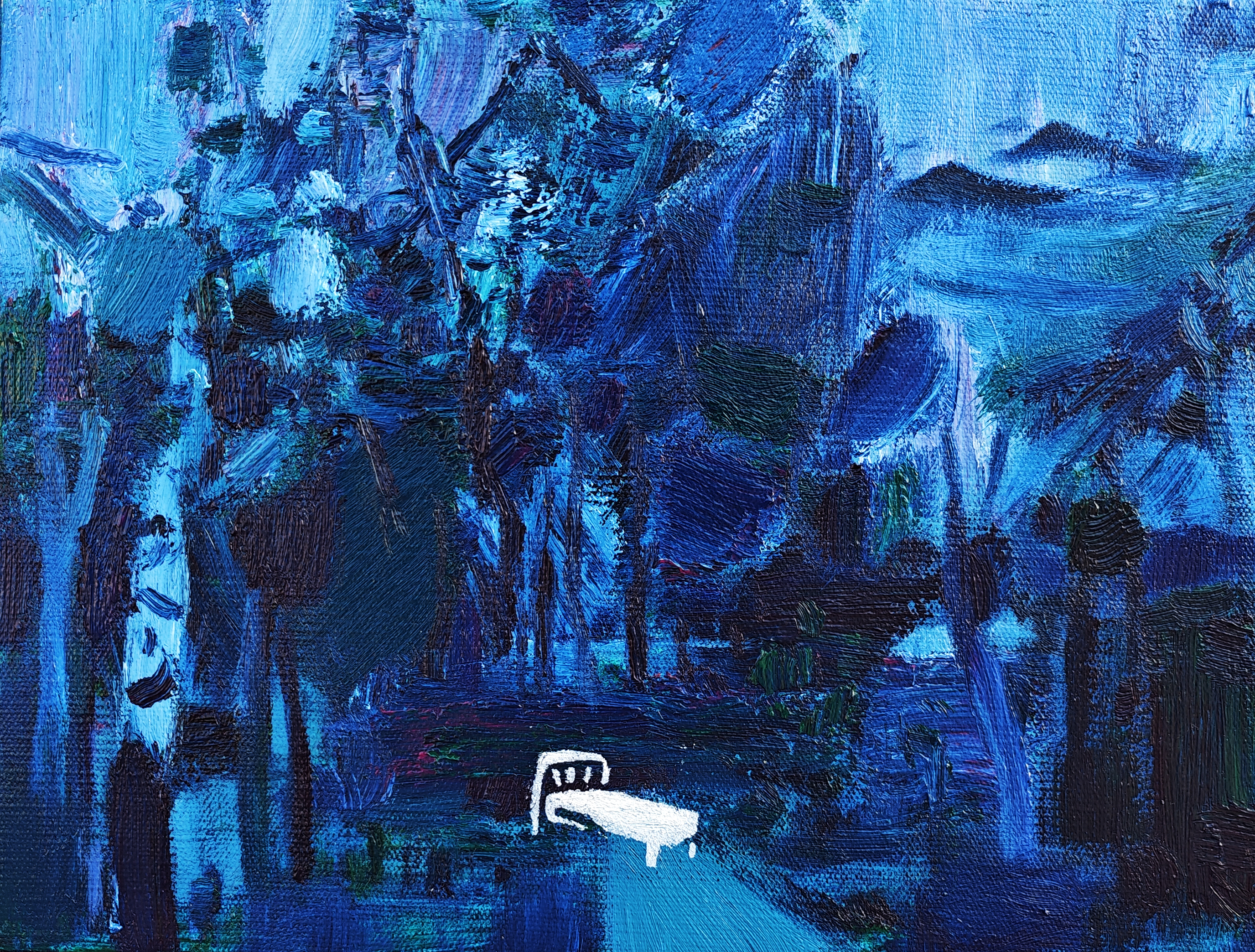
What truly fills me is the act of painting itself. Standing before the canvas, absorbed in a patch of color or a single line, the judgments of the world and my own calculations of gain and loss fall away for a while. In that moment I am calm, focused, free, and joyful.
Perhaps painting is, in the end, not about proving anything or arriving at some result, but about letting go of gain and loss, stroke by stroke, and returning to oneself.