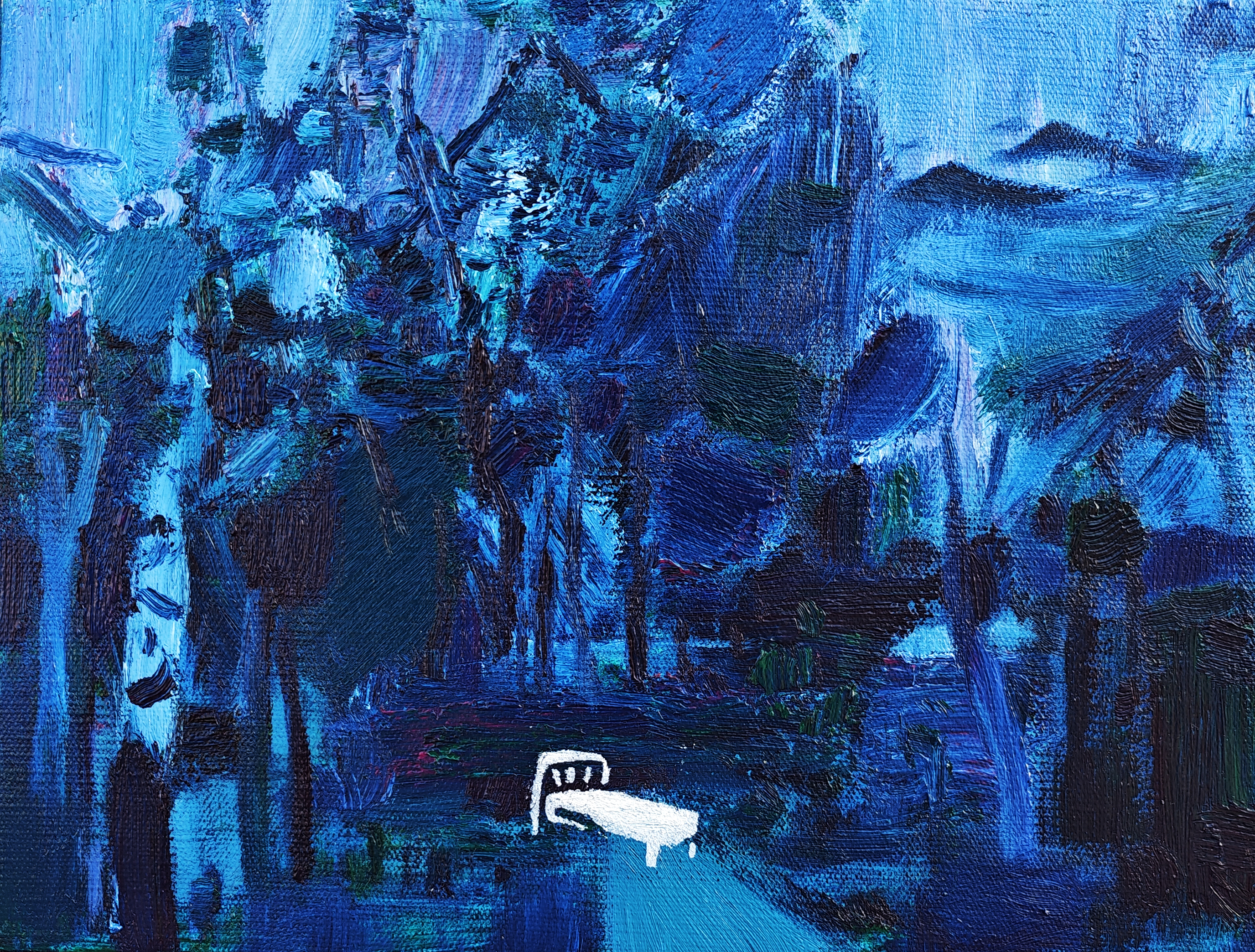
Dreamscapes of Mountains and Rivers: Shenghui's Realm of Mind and Abstraction
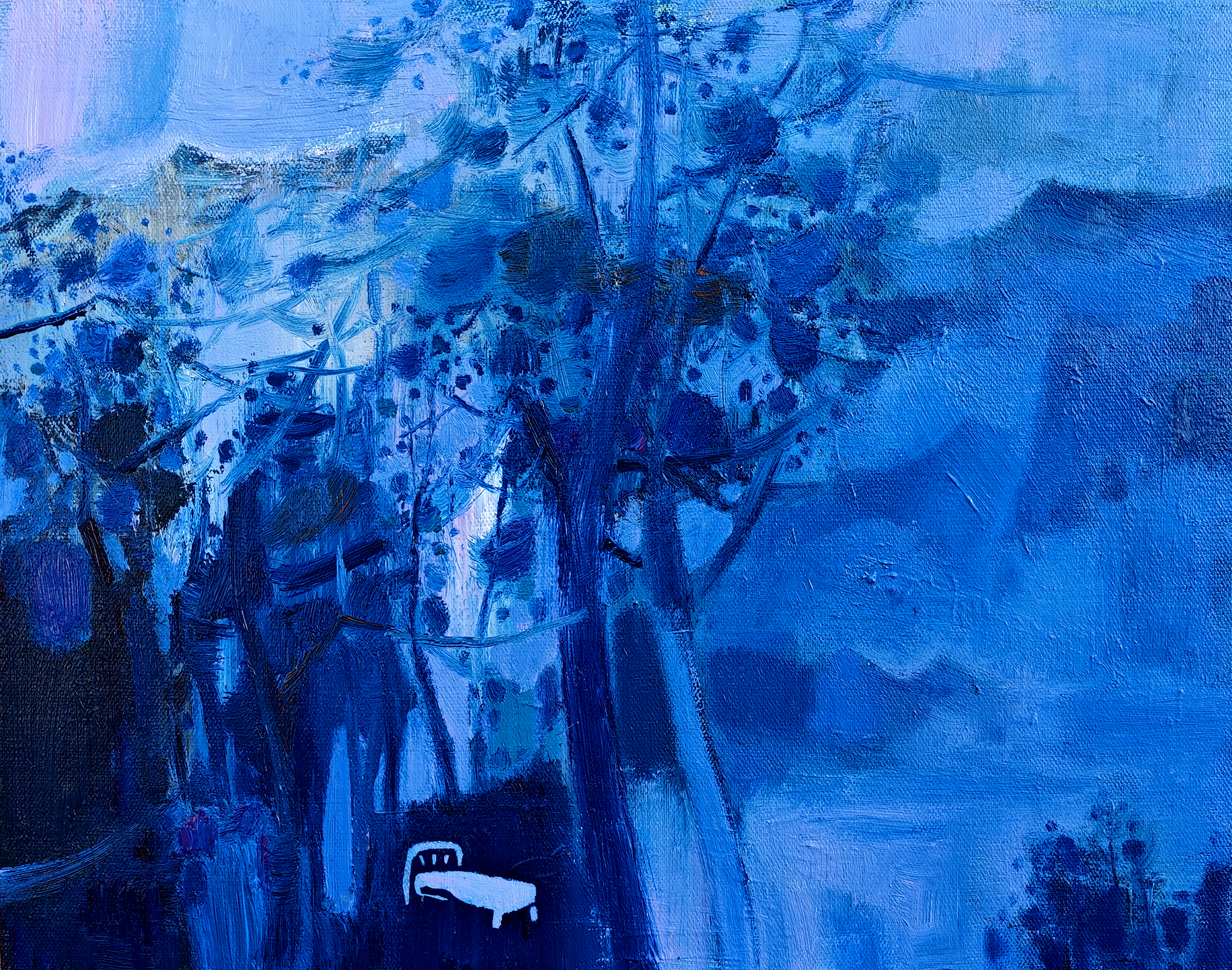
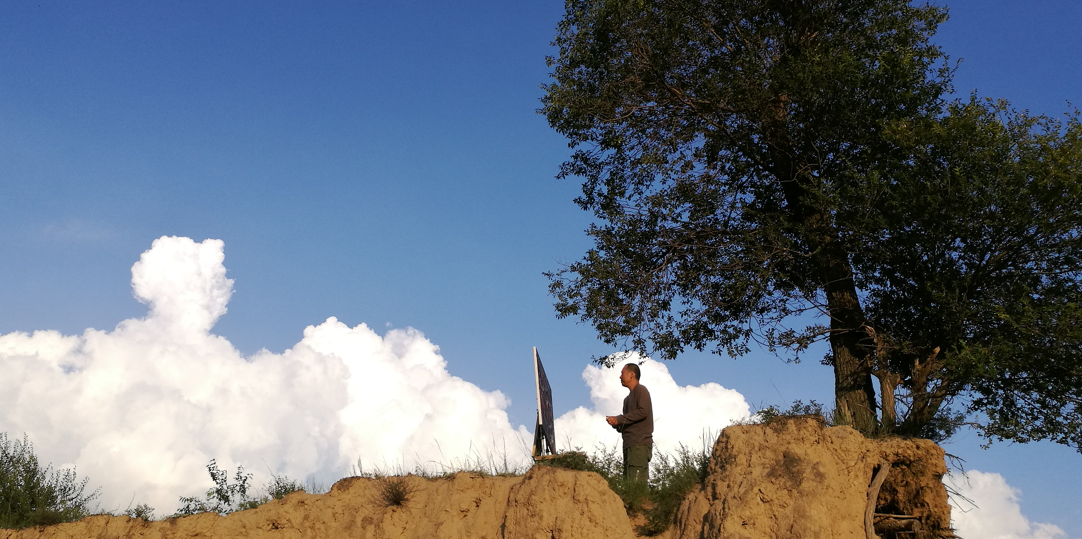
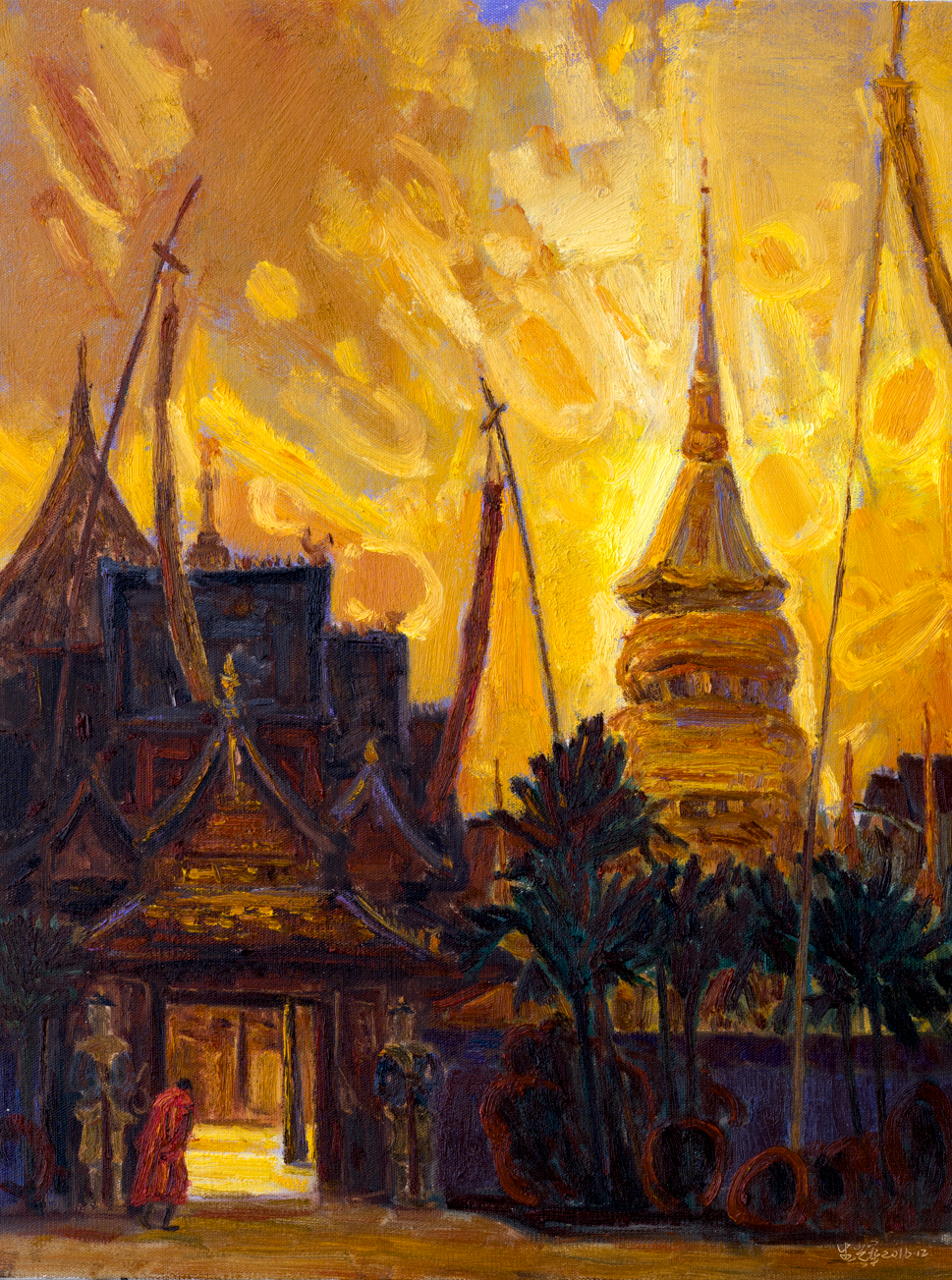
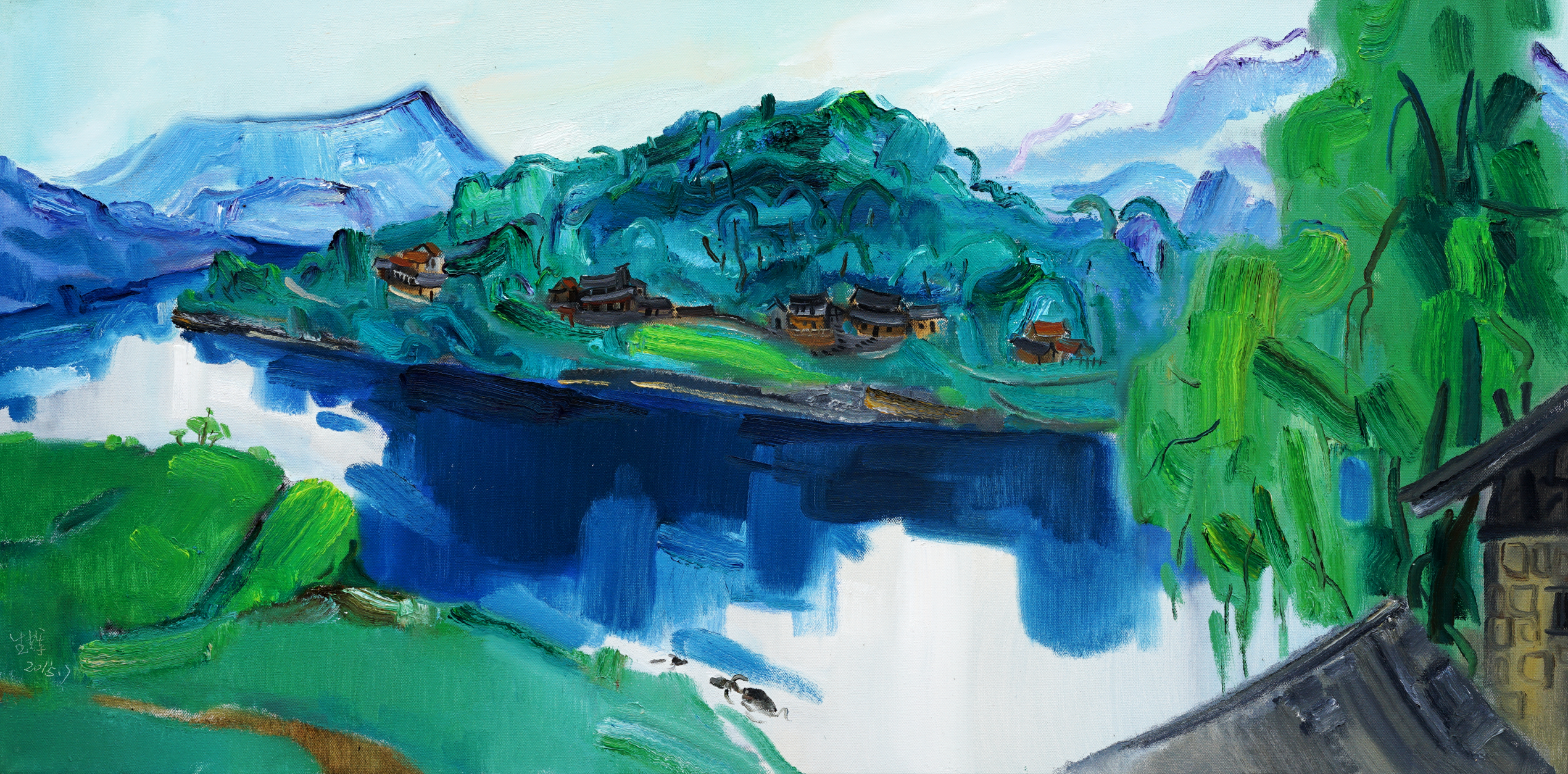
In the context of contemporary art, painting has long transcended mere representation to become a medium for expressing the artist’s inner world and spiritual experiences. Shenghui's ‘Dreamscapes of Mountains and Rivers’ series explores this proposition deeply. Rather than being confined to objective depictions of nature, Shenghui reconstructs color, brushwork, and texture to create ‘mindscapes’—landscapes that dwell between reality and dream—merging Eastern aesthetics with Western abstraction to form a unique artistic language.
- The Spirituality and Psychological Suggestiveness of Color
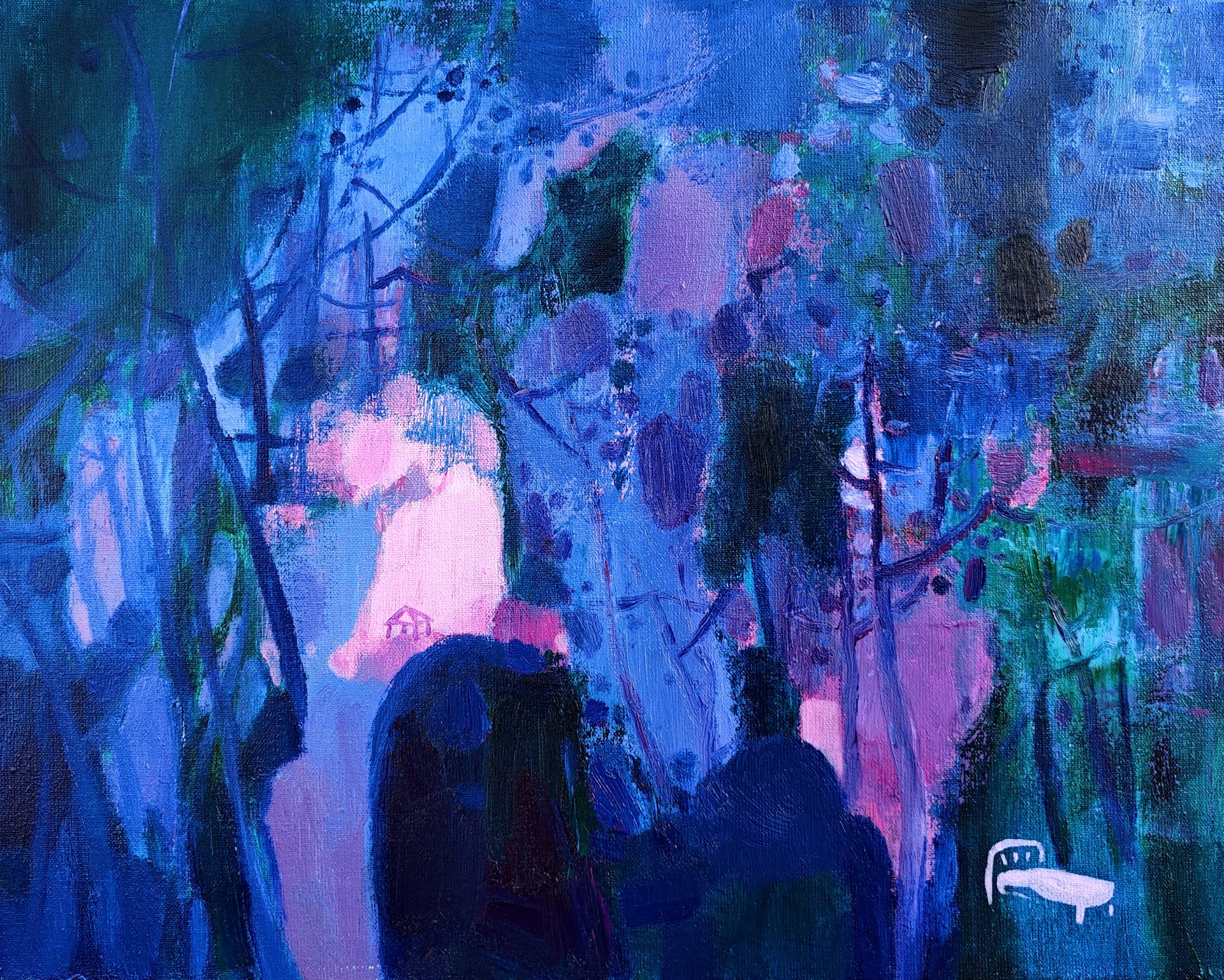
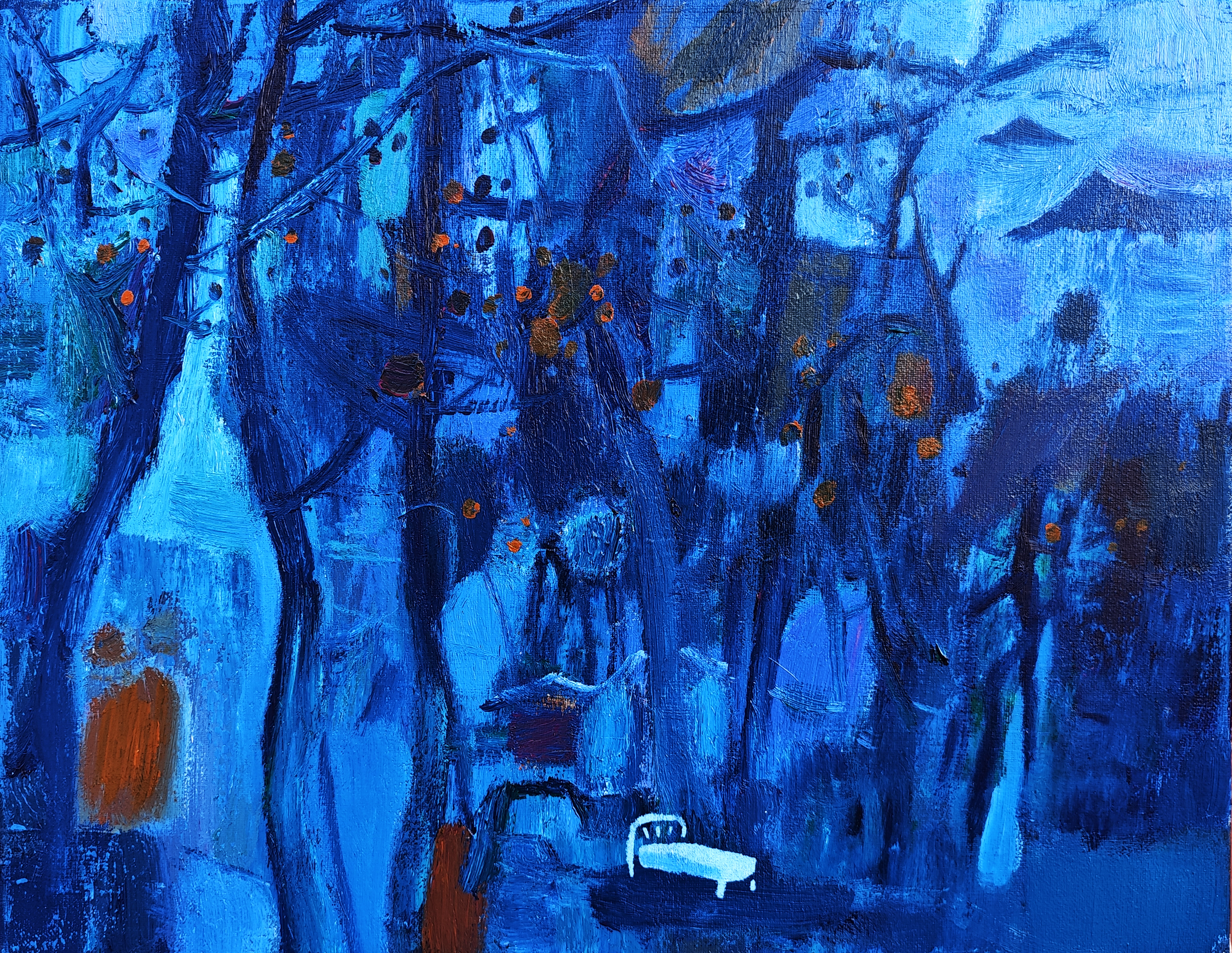
In this series, Shenghui uses deep blue and cobalt blue as primary tones, complemented by pink-purple, dark green, and ivory white to create a spatial interplay of warmth and coolness, solidity and void. In color psychology, blue symbolizes serenity, depth, and rationality, while pink-purple and white infuse the space with warmth and light, allowing viewers to experience the emotional fluctuations between calmness and warmth.
- Brushwork, Texture, and Eastern Poetics
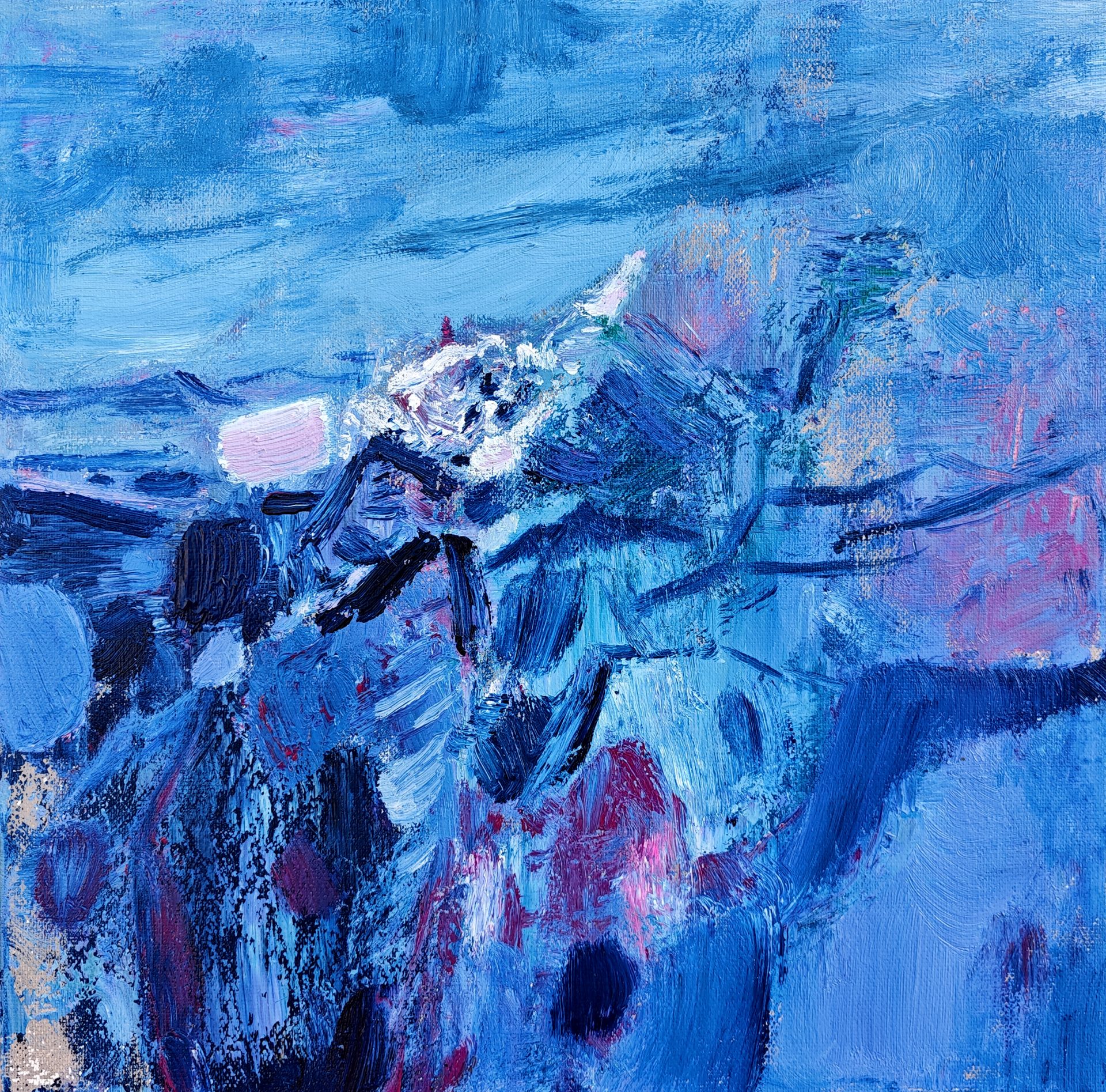
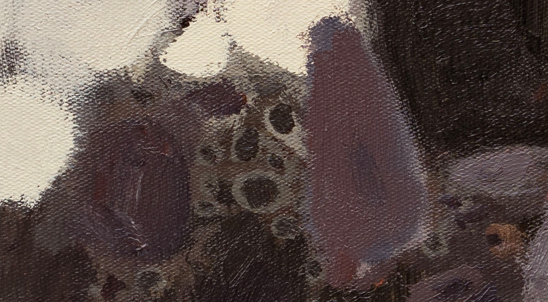
Shenghui employs heavy impasto techniques throughout his works, stacking and pulling paint to create highly tactile surfaces. This materiality converses with the ‘negative space’ in traditional Chinese landscape painting: the former emphasizes the physicality of the surface, while the latter seeks ethereal resonance. Shenghui masterfully merges these approaches, granting his works both the material tension of modern painting and the poetic sensibility of Eastern aesthetics.
III. Contemporary Transformation of Composition and Space
Compositionally, ‘Dreamscapes IV’ leans toward abstraction, with mountains, water, and mist deconstructed into interlaced shapes and lines. Traditional perspective is disrupted, resulting in a flattened, psychological spatial structure. This concept of space resonates with Western Cubism and Abstract Expressionism, where space becomes not a passive representation but a site of emotion and spiritual generation.
- Art Historical Context and Personal Language
From an art historical perspective, Shenghui's series draws upon the spirituality and freedom of Western Abstract Expressionism while engaging in dialogue with the poetic tradition of Chinese landscape painting. The former is evident in the emphasis on color, texture, and brushwork; the latter emerges in the atmosphere and spatiality conveyed by the works.
- Conclusion: The Confluence of Dreamscape and Mindscape
As Kandinsky stated in ‘Concerning the Spiritual in Art’: ‘The essence of art lies in the resonance between the viewer's inner vibration and the vibration of the artwork.’ Shenghui's ‘Dreamscapes of Mountains and Rivers’ embodies this resonance. His works reveal not merely the external form of landscapes but the emotional currents and spiritual quests within the artist. Here, the landscape transcends physical scenery to become a symbol of the soul and a gateway to dreams, guiding viewers into a poetic experience beyond reality.